When it comes to protecting your kids’ (or your own) teeth from cavities, brushing and flossing are the front line of defense. But even the best brushing routine misses spots—especially the deep grooves on back teeth that tend to collect food and bacteria. That’s where dental sealants come in.
Dental sealants are one of those things that can fly under the radar. They’re not flashy, and they’re usually not the first thing parents ask about at a dental checkup. But they serve a clear purpose: sealing out decay before it has a chance to start. The big question, though, is whether they’re actually worth it.
Let’s break it down so you can make a confident call.
What Are Dental Sealants?
Some parts of our teeth are easier to keep clean than others. The smooth surfaces on the front and sides? No problem. But the chewing surfaces of molars? That’s a different story. Those teeth have natural pits and grooves—perfect for trapping microscopic bits of food and plaque.
Dental sealants in Uniontown, Ohio, are thin coatings, usually made of plastic or resin, that dentists paint onto those grooved areas. Once in place, the material hardens and creates a smooth, protective layer over the tooth. It’s kind of like putting a raincoat on your molars to keep out the stuff that causes cavities.
They’re most often used in kids, especially right after permanent molars come in, but they’re also an option for teens and adults who’ve managed to stay cavity-free in their back teeth.
How Do They Work?
The idea behind sealants is simple: cover the parts of the tooth that are hardest to clean and most likely to trap food. Even with daily brushing and rinsing, those deep grooves in the back teeth can hang on to plaque and food particles. Left alone, those bits of debris give off acids that wear down enamel and cause decay.
Here’s how the process usually goes:
- The dentist cleans and dries the molar.
- A special solution goes on the tooth to make the surface a little rough—this helps the sealant stick.
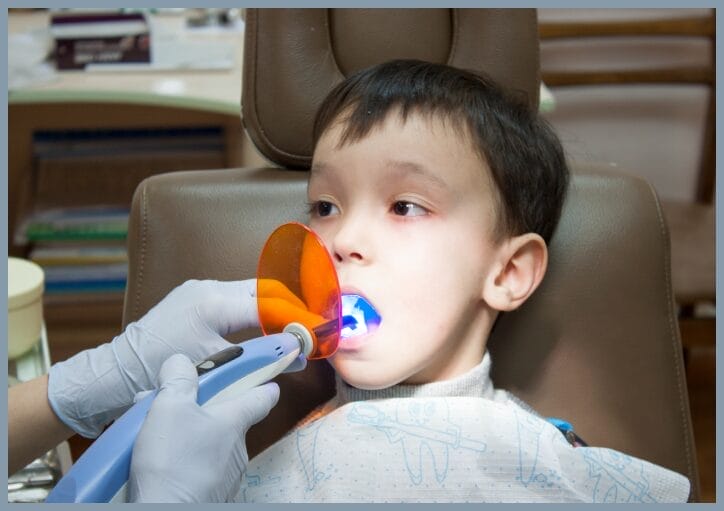
- Then the sealant is brushed on and quickly hardened with a blue curing light.
That’s it. No drilling. No shots. It’s quick, painless, and can be done during a regular cleaning.
When Should Kids Get a Dental Sealant?
Timing matters when it comes to sealants. The goal is to place them right after the permanent molars come in—before there’s any chance for decay to sneak in.
Most kids get their first permanent molars around age six. The second set usually comes in around age twelve. These are the prime times to get sealants placed. If those molars are cavity-free, a sealant can keep them that way for years.
This doesn’t mean sealants are just for little kids, though. Teenagers who didn’t get sealants earlier may still benefit. And in some cases, adults with deep grooves in their molars and no history of decay are also good candidates.
What the Research Says
We know sealants work—not just in theory, but in real life. Multiple studies have shown sealants dramatically reduce cavities in molars, especially in kids and teens.
In fact, according to data from the Centers for Disease Control and Prevention (CDC), kids without sealants have nearly three times as many cavities in their molars compared to kids with them. That’s a big difference.
Sealants can reduce the risk of decay by up to 80% in the first couple of years after they’re applied. And while they don’t last forever, they can still provide strong protection for several years. During regular checkups, a dentist can reapply or touch up areas where the sealant has worn away.
When used as part of a full preventive plan—brushing, flossing, regular cleanings, and fluoride—they make a noticeable impact.
Benefits of Dental Sealants for Children
Dental sealants offer numerous advantages for children’s oral health, providing both immediate and long-term benefits. From preventing cavities to being a budget-friendly option, sealants are a powerful tool in maintaining a child’s healthy smile.
Prevents Cavities
- Dental sealants act as a shield, protecting the deep grooves and pits of molars from food particles and bacteria.
- Studies show that sealants can reduce the risk of cavities on molars by up to 80% in the first two years after application.
- Over time, they continue to offer protection, cutting cavity risk in half for up to four years or more.
- Combined with good oral hygiene and smart tips to prevent cavities, sealants significantly reduce the likelihood of decay in children.
Cost-Effective Preventive Care
- Sealants are a fraction of the cost of treating a cavity, especially when compared to fillings, crowns, or more invasive procedures.
- Investing in sealants early can save parents significant money by reducing the likelihood of costly dental treatments later.
- Many dental insurance plans cover sealants for children, making them an even more affordable preventive option.
Safe and Painless Procedure
- The application of dental sealants is quick, non-invasive, and entirely pain-free.
- No drilling or anesthesia is required, making the process stress-free and comfortable for children.
- Sealants are made from safe, BPA-free materials, offering parents peace of mind about their child’s health and safety.
Are Sealants Safe?
It’s not unusual for parents to hesitate before saying yes to any treatment involving synthetic materials. After all, you want to feel good about anything going into your child’s mouth.
There was some buzz a few years back about BPA—short for bisphenol A—which shows up in trace amounts in some types of dental sealants. But here’s the keyword: trace. The amount of BPA exposure from sealants is extremely low—actually lower than what most people get from everyday items like plastic containers, canned food linings, and even dust.
Leading health organizations, including the American Dental Association and the CDC, have reviewed the science and concluded that sealants are safe. Still, if you’re concerned, most dental offices offer BPA-free options or use materials with ultra-low levels. It’s always okay to ask.
Debunking Common Myths about Dental Sealants
Dental sealants are very effective at preventing cavities, but many parents aren’t aware of them or have several misconceptions about them. Here are some of the most common myths:
Myth 1: “Sealants are unnecessary if a child brushes regularly.”
While we always recommend brushing and flossing as the best way to keep your child’s teeth healthy, the truth is that toothbrush bristles can’t reach into all the little nooks and crevices of the chewing surfaces. That’s where most cavities in children develop. A dental sealant is like coating the chewing surface of a molar with a protective shield, keeping plaque and acid from penetrating into the holes and pits.
Myth 2: “Dental sealants contain harmful chemicals.”
This is simply not true. Most dental sealant materials are BPA-free and made from safe materials. They are thoroughly tested and endorsed by organizations such as the American Dental Association and the American Academy of Pediatric Dentistry.
Myth 3: “Sealants don’t last long enough to be worth it.”
While it is true that sealant materials don’t last as long as amalgam fillings, they are designed to last for several years. Even when they start to wear out, they offer several years of protection before they need to be reapplied. They are most important during the early years when teeth are developing in childhood. Regular dental visits are important to check on the condition of the sealants and reapply them when necessary.
So, Are Dental Sealants Worth It?
Here’s the honest truth: dental sealants aren’t flashy or complicated—but they’re effective. They do what they’re supposed to do, which is help prevent cavities before they start. They come at a relatively low cost, especially compared to fillings, crowns, and other treatments that may be needed if decay sneaks in.
Are they a cure-all? No. They’re not designed to replace brushing or healthy eating habits. But when used the right way, at the right time, they add a reliable layer of protection to the teeth that need it most.
If your child has just gotten their first permanent molars or is coming up on their second set, it’s worth asking about sealants at your next dental visit. And if you’re a teen or adult who’s been lucky enough to steer clear of cavities, you might be a good candidate too.
Bottom line—yes, dental sealants are worth it for most people. They’re a small step that can go a long way in keeping teeth healthy and strong for the long haul.